

 See My Latest Article on HelloNation
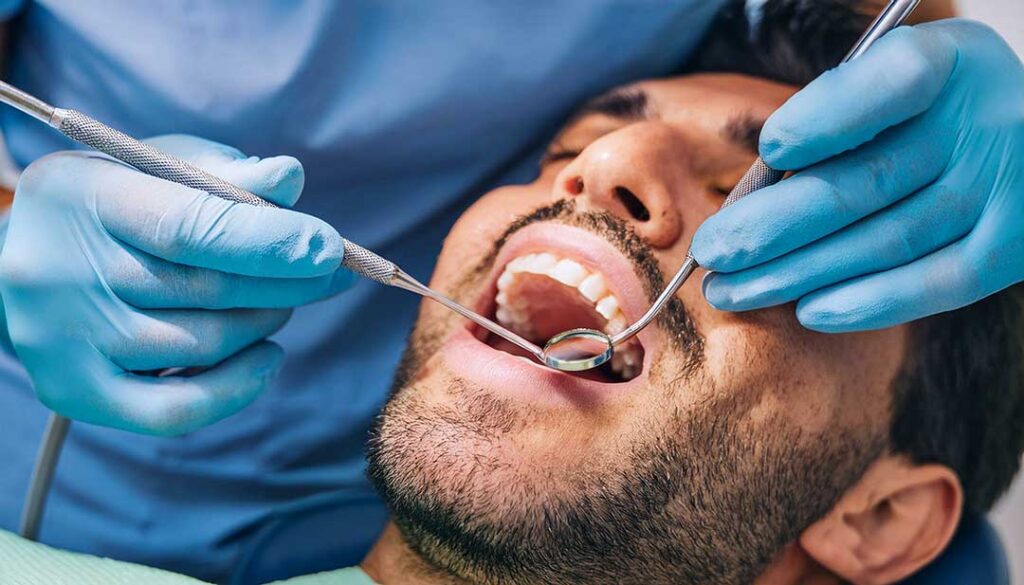
Tooth sensitivity is a brief, sharp reaction to cold, heat, sweetness, touch, or air. It often happens when the protective enamel wears down or when gum tissue pulls back and exposes the more sensitive dentin or root surface. In some cases, however, sensitivity signals tooth decay, a crack, gum disease, or inflammation inside the tooth.
What does tooth sensitivity feel like?
Tooth sensitivity usually causes a quick, uncomfortable jolt rather than a steady ache. Common triggers include:
- Cold water, ice cream, or chilled drinks
- Hot coffee, soup, or tea
- Sweet or acidic foods
- Cold air during outdoor activities
- Toothbrushing or flossing near the gumline
- Dental cleaning, whitening, or other recent treatment
The discomfort often stops within a few seconds after the trigger is removed. Pain that lingers, occurs without an obvious trigger, or becomes progressively worse may have a different cause and deserves closer evaluation.
Why do teeth become sensitive?
The most common reason is exposure of dentin, the layer beneath enamel. Dentin contains tiny channels that lead toward the nerve. When these channels are exposed, temperature changes or pressure can stimulate the nerve and create a sharp sensation.
Several conditions can expose dentin:
Gum recession
Gums can gradually move away from the teeth because of gum disease, forceful brushing, clenching, or natural changes with age. Unlike the crown of a tooth, the root is not covered by enamel. Exposed roots are therefore more vulnerable to cold and touch.
Enamel erosion
Acid can soften and wear away enamel over time. Frequent exposure may come from soft drinks, sports drinks, citrus products, vinegar-based foods, or stomach acid associated with reflux or repeated vomiting. Huntsville residents who spend time outdoors in warm weather may also sip acidic or sweetened drinks frequently, which can increase repeated acid exposure.
Tooth decay
A cavity may cause sensitivity to sweets, cold, or heat. Early decay is not always painful, so a new sensitive spot should not automatically be dismissed as ordinary sensitivity.
Cracks, chips, or worn fillings
A cracked tooth may hurt when biting or releasing a bite and may also react to temperature. A worn, loose, or damaged filling can expose sensitive tooth structure.
Teeth grinding or clenching
Grinding can wear down enamel and create small cracks or flattened biting surfaces. Some people notice morning jaw soreness, headaches, or increased sensitivity along with the tooth changes.
Recent dental treatment
Cleaning, fillings, crowns, whitening, and other procedures can cause temporary sensitivity. Mild symptoms often improve, but persistent or severe pain may indicate that the tooth needs additional attention.
Can brushing too hard cause sensitivity?
Yes. Brushing with excessive pressure, using a hard-bristled brush, or scrubbing back and forth at the gumline can contribute to gum recession and enamel wear. A soft-bristled toothbrush and gentle, controlled movements are generally safer.
A toothbrush does not need to feel harsh to clean effectively. Holding it with a lighter grip can help reduce pressure. It is also helpful to avoid abrasive “scrubbing” products if sensitivity or enamel wear is already present.
What can help sensitive teeth at home?
Home care can reduce symptoms when sensitivity is caused by exposed dentin or mild enamel wear. Useful measures include:
- Brush twice daily with fluoride toothpaste designed for sensitive teeth.
- Use a soft-bristled brush and gentle pressure.
- Spit after brushing rather than rinsing repeatedly with water.
- Limit frequent sipping of acidic or sweetened beverages.
- Drink water after acidic foods or drinks to help clear the mouth.
- Wait about 30 minutes before brushing after acidic exposure.
- Avoid very hot or cold foods temporarily if they trigger pain.
- Do not place aspirin directly on a tooth or gum because it can injure oral tissues.
- Follow product directions carefully when using whitening products.
Sensitivity toothpaste may take several days or longer to provide noticeable relief. Applying a small amount to a particularly sensitive area before bedtime may help some people, but the product should not replace regular brushing.
Does sensitivity mean a tooth is damaged permanently?
No. Sensitivity can be temporary and may improve when the trigger is removed or the exposed area becomes less reactive. Sensitivity after whitening or a cleaning, for example, may fade.
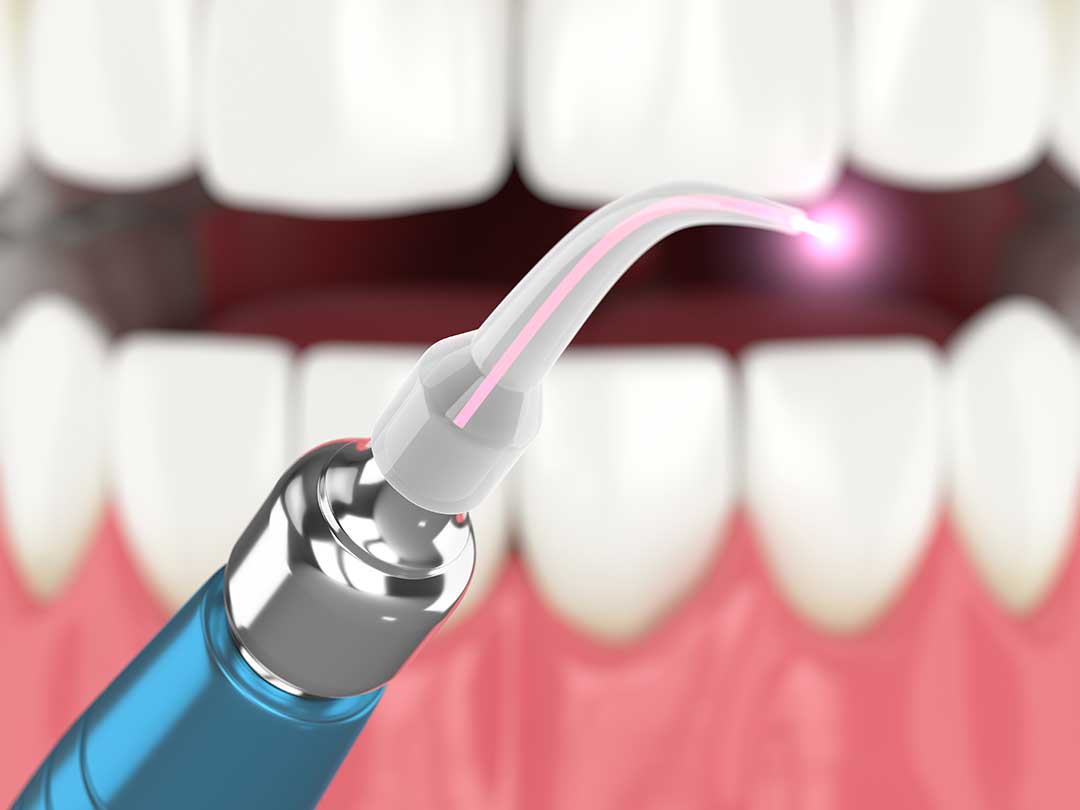
That does not mean every sensitive tooth is harmless. A single tooth that suddenly becomes sensitive, especially when symptoms are increasing, may have decay, a crack, a failing filling, or inflammation. The pattern of pain matters as much as the intensity.
When should tooth sensitivity be checked?
A dental evaluation is especially important when sensitivity:
- Lasts more than a few weeks
- Occurs in only one tooth
- Causes pain that lingers after hot or cold exposure
- Appears without eating or drinking
- Hurts when biting or releasing a bite
- Is accompanied by swelling, fever, drainage, or a bad taste
- Occurs with bleeding, swollen, or receding gums
- Follows an injury to the mouth
- Prevents normal eating, brushing, or sleeping
Facial swelling, difficulty breathing or swallowing, or rapidly worsening pain requires urgent medical attention because infection can spread beyond the tooth.
How is the cause identified?
The evaluation typically involves questions about when the pain began, which triggers cause it, how long it lasts, and whether it affects one tooth or several. The tooth, gums, bite, fillings, and exposed root surfaces may be examined. In some cases, dental X-rays or other tests help distinguish routine sensitivity from decay, a crack, or nerve inflammation.
Treatment depends on the cause. Options may include fluoride treatment, materials that cover exposed root surfaces, repair of a cavity or filling, treatment for gum disease, management of grinding, or more involved care when the nerve is inflamed.
How can sensitivity be prevented?
Preventive habits focus on protecting enamel and gum tissue:
- Brush gently with fluoride toothpaste.
- Clean between the teeth daily.
- Keep acidic drinks and snacks to occasional times rather than sipping them throughout the day.
- Wear appropriate protection for contact sports.
- Avoid using teeth to open packages or bite hard objects.
- Pay attention to clenching, grinding, and jaw soreness.
- Maintain regular oral examinations, even when symptoms are mild.
The most useful first step is to identify the pattern: Is the sensitivity widespread or limited to one tooth? Does it stop quickly, or does it linger? Those details can help separate common dentin sensitivity from a problem requiring treatment.