

 See My Latest Article on HelloNation
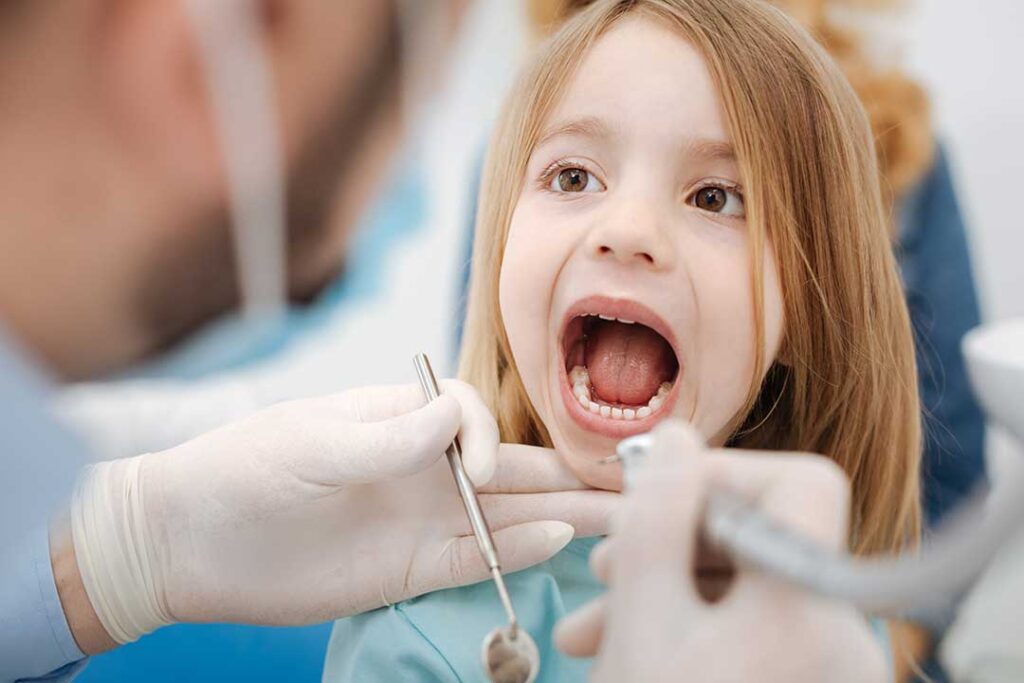
What Causes Cavities and How Can They Be Prevented?
Cavities are areas of tooth decay caused by bacteria breaking down sugars and producing acids that erode enamel. The foundation of prevention in Huntsville, AL is reducing these acids through clean oral habits, balanced diets, and attention to unique local factors like water quality and climate.
Does Water in Huntsville Help With Cavity Prevention?
Yes, but residents should be aware of details. Public water in Huntsville is fluoridated, which generally helps strengthen enamel and reduce cavity risk for most households. However, rural well water or certain filtration systems might reduce fluoride availability. Households using home filtration or well water should check local water reports or consult with public health resources to ensure fluoride levels remain sufficient for dental health.
Which Daily Habits Are Most Effective for Preventing Cavities?
Consistent daily care keeps tooth surfaces clean and makes it difficult for cavities to form. The most effective habits include:
- Brushing twice daily with fluoride toothpaste—especially after breakfast and before bed
- Flossing each evening to remove plaque and food between teeth
- Rinsing with plain water or a fluoride mouthwash if desired
A common misconception is that brushing harder will clean teeth better. In reality, gentle, thorough brushing for two minutes is more protective, as aggressive brushing can damage gums and enamel. Electric toothbrushes can help some people reach a more consistent clean, but manual brushes work just as well when used carefully.
Are Diet and Snacks Linked With Tooth Decay Risk?
Yes. Frequent consumption of sugary and starchy foods fuels cavity-causing bacteria. Residents of the city enjoy year-round events and local treats, but moderation and mindful choices help protect teeth:
- Choose water as a primary drink rather than soda, sweet tea, or juice between meals
- Limit sticky snacks (like dried fruit or candy), which cling to teeth
- Opt for fresh fruits, vegetables, nuts, and cheese as tooth-friendly snacks
It’s not just how much sugar is eaten, but how often. Having sweets occasionally with meals is less risky than frequent snacking throughout the day, as saliva produced at meals helps neutralize acid buildup.
How Does the Southern Climate Affect Oral Health?
Warm, humid summers and air conditioning use influence some household hygiene habits in Huntsville. Staying hydrated supports saliva flow, which is a natural defense against tooth decay. Residents should:
- Drink extra water during peak summer months and after outdoor activities
- Be mindful that some common allergy medications or decongestants may cause dry mouth, which increases cavity risk
Additionally, indoor activities during pollen season may coincide with snacking or sipping drinks more often. Using water as a frequent beverage and keeping to established oral care routines helps offset any increased risk.
Does Tooth Brushing Timing Make a Difference?
Yes. Brushing immediately after consuming acidic foods or drinks (like citrus or soda) can actually weaken enamel. Local residents benefit from waiting about 30 minutes after consuming acids before brushing. This gives saliva time to neutralize acids and allows enamel to reharden.
To maximize protection, residents can:
- Rinse the mouth with plain water to dilute acids if it’s not possible to brush immediately after meals
- Time tooth brushing for 30–60 minutes after meals or snacks, especially when acidic foods are eaten
Are There Common Misconceptions About Preventing Cavities?
Several myths persist:
- “Cavities only affect children”: While kids are at high risk, adults—especially older adults with receding gums or dry mouth—are also susceptible.
- “Sugar-free means safe for teeth”: Many sugar-free drinks and candies are still acidic and can erode enamel.
- “Mouthwash replaces brushing or flossing”: Mouthwash may help, but nothing matches the physical removal of plaque by brushing and flossing.
By understanding these misconceptions, local families can avoid shortcuts that reduce the effectiveness of prevention efforts.
What Role Do Family Routines Play in Cavity Prevention?
Household routines support lifelong oral health. In the community, children form habits by observing the adults around them. Families that brush and floss together, especially in the morning and evening, foster an environment where good habits stick.
For busy households, tools like brushing charts, kid-friendly toothbrushes, and flavored floss can help keep youngsters engaged. Rewarding consistent daily care (with non-food items) reinforces routines without increasing sugar exposure.
What About Cavity Prevention for People With Braces or Dental Appliances?
Braces, retainers, and other appliances create extra nooks where food can hide and plaque can build up. Individuals with orthodontic hardware need to be extra vigilant:
- Use an interdental brush or floss threader to clean around brackets and wires
- Rinse thoroughly after eating
- Avoid very hard, sticky, or chewy snacks that could dislodge hardware or trap debris
When appliance care is challenging, residents can ask local school nurses, community health educators, or dental hygienists for tips on technique.
Are There Community Resources or Local Initiatives That Promote Cavity Prevention?
Local schools, public health agencies, and seasonal health fairs sometimes offer educational materials or free dental screening days. While these are not a substitute for regular oral hygiene, such programs reinforce community-wide awareness and empower families to take proactive steps.
Residents can also access reputable brochures or online materials from recognized dental and health organizations to keep current with prevention strategies suitable for the area’s needs.