

 See My Latest Article on HelloNation
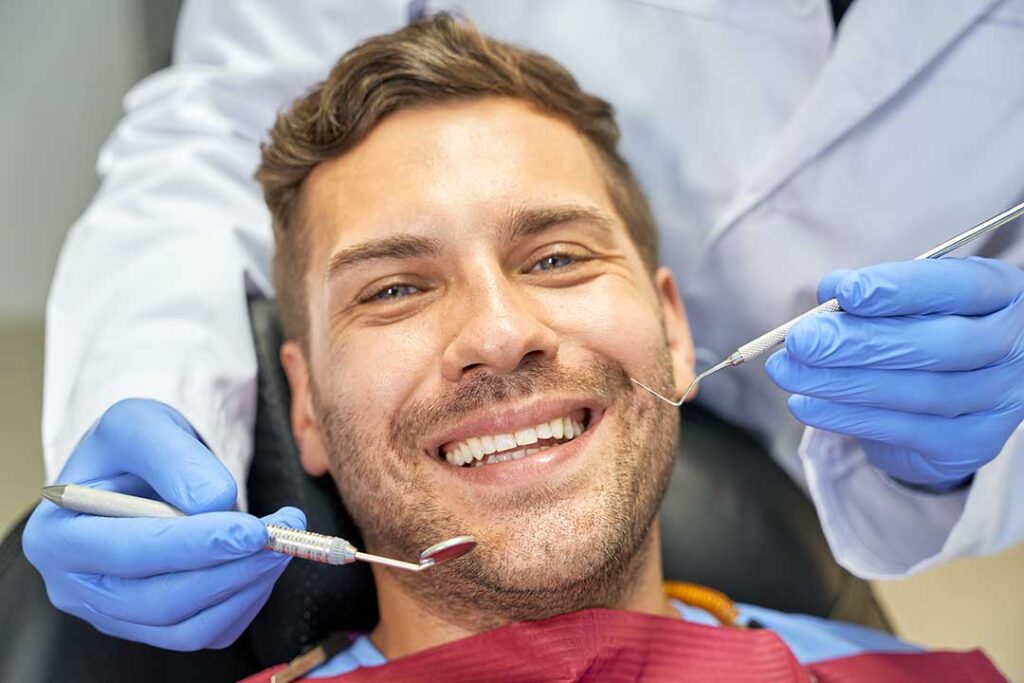
Whitening your teeth at home can be reasonable for many adults when the product is used exactly as directed. The safest choices are evidence-based whitening toothpaste or peroxide-based strips and trays from reputable manufacturers, preferably products with the American Dental Association (ADA) Seal of Acceptance. Temporary sensitivity and gum irritation are common, but misuse can damage enamel or soft tissue. ([mouthhealthy.org](https://www.mouthhealthy.org/all-topics-a-z/teeth-whitening?utm_source=openai))
What does at-home teeth whitening actually do?
Most whitening products use hydrogen peroxide or carbamide peroxide. These ingredients break apart colored compounds within the tooth, making natural teeth appear lighter. Whitening toothpastes generally work differently: they remove some surface stains with polishing ingredients and may contain small amounts of peroxide. They do not usually change the underlying color of the tooth as much as a bleaching product. ([mouthhealthy.org](https://www.mouthhealthy.org/all-topics-a-z/teeth-whitening?utm_source=openai))
At-home whitening is most likely to help with yellow or brown discoloration related to coffee, tea, cola, tobacco, red wine, or normal aging. It may be less effective for gray discoloration, stains caused by medication, or color changes following a tooth injury. A cleaning may also be more useful than bleaching when the problem is primarily plaque, tartar, or surface staining.
Which home whitening options are safest?
Choose a product designed specifically for oral use and follow its instructions without adding extra applications or extending treatment time.
Common options include:
- Whitening toothpaste: Useful for gradually reducing surface stains. Choose a fluoride toothpaste with the ADA Seal of Acceptance when available.
- Whitening strips: These use a thin peroxide-coated material placed over the front surfaces of the teeth. Results usually develop over repeated applications.
- Whitening gels and trays: Some are sold over the counter, while stronger or custom-fitted trays may be provided under dental supervision.
- Whitening rinses: These may help reduce some surface discoloration, but they generally work more slowly than strips or trays.
The ADA Seal of Acceptance indicates that a product has been evaluated against standards for safety and effectiveness when used as directed. The seal does not mean a product is appropriate for every person or every type of discoloration. ([mouthhealthy.org](https://www.mouthhealthy.org/all-topics-a-z/teeth-whitening?utm_source=openai))
How should you prepare before whitening?
Whitening should not be used to cover up untreated dental problems. Cavities, cracked teeth, leaking fillings, gum inflammation, exposed tooth roots, or significant sensitivity can make treatment uncomfortable or less predictable.
Before starting, check for:
- Pain when drinking something cold or sweet
- Bleeding, swollen, or tender gums
- Visible holes, cracks, or broken fillings
- A single tooth that has darkened
- Crowns, veneers, bridges, bonding, or tooth-colored fillings in the visible smile
Only natural tooth structure responds to peroxide whitening. Crowns, veneers, fillings, and similar restorations will not change color, which can leave them looking different from the surrounding teeth after bleaching. ([mouthhealthy.org](https://www.mouthhealthy.org/all-topics-a-z/teeth-whitening?utm_source=openai))
A dentist can also help determine whether a dark tooth is discolored from the inside rather than stained on the surface. That distinction matters because internal discoloration may need a different type of treatment.
How can you reduce sensitivity?
Sensitivity is the most common short-term side effect of home whitening. It often appears during the first few days and usually improves after treatment stops. Gum irritation can occur when peroxide touches the gums, especially if a tray fits poorly or too much gel is applied. ([mouthhealthy.org](https://www.mouthhealthy.org/all-topics-a-z/teeth-whitening?utm_source=openai))
To make treatment more comfortable:
- Use only the amount of gel or the number of strips stated in the instructions.
- Do not whiten for longer than directed.
- Avoid using several whitening products at the same time.
- Pause treatment if sharp sensitivity develops.
- Use a fluoride toothpaste and continue gentle brushing.
- Avoid very cold or very hot foods temporarily if your teeth feel reactive.
- Keep whitening gel off the gums and rinse away excess material.
If sensitivity remains severe, occurs without whitening, or is concentrated in one tooth, the issue may not be caused by bleaching alone.
What should residents avoid?
Household “natural” whitening methods are not automatically gentle. Lemon juice, vinegar, and other acidic substances can erode enamel when held against the teeth or used as a scrub. Charcoal powders and abrasive mixtures may remove enamel rather than safely lighten it. As enamel becomes thinner, the naturally yellow dentin underneath can become more visible. ([mouthhealthy.org](https://www.mouthhealthy.org/all-topics-a-z/natural-teeth-whitening?utm_source=openai))
Other methods with limited evidence include oil pulling, turmeric, fruit-and-baking-soda mixtures, and homemade peroxide pastes. These approaches may be ineffective, abrasive, acidic, or difficult to control. A kitchen ingredient should not be assumed safe simply because it is edible.
Undiluted hydrogen peroxide from a household medicine cabinet is also not a substitute for a formulated dental product. Concentration, contact time, acidity, and accidental swallowing all affect risk.
Can whitening damage enamel?
Occasional use of a properly formulated product according to its directions is generally well tolerated, but overuse can increase sensitivity and irritate the gums. More concentrated products and longer exposure times tend to raise the chance of side effects. The goal is gradual lightening, not continuous bleaching.
Do not repeat treatment immediately because the result seems subtle. Teeth can appear brighter several days after treatment, and repeated peroxide exposure does not necessarily produce a proportionate improvement.
In Huntsville, AL, seasonal routines can also affect habits around whitening. During hot weather, people may drink more iced beverages, which can make sensitivity more noticeable after bleaching. Using a straw for acidic or strongly colored drinks may reduce contact with the front teeth, but it does not replace brushing, fluoride, or cleaning between teeth.
How can you keep teeth looking brighter afterward?
Whitening does not prevent new stains. Long-term appearance depends more on daily habits than on frequent bleaching.
Helpful measures include:
- Brush twice daily with fluoride toothpaste.
- Clean between the teeth once daily.
- Rinse with water after coffee, tea, cola, or acidic drinks.
- Avoid tobacco products.
- Do not brush immediately after an acidic drink; wait briefly so softened enamel is less likely to be brushed aggressively.
- Maintain regular dental checkups and cleanings.
Surface-stain removal and bleaching are different. A professional cleaning may remove hardened deposits and external stains, while peroxide products change the shade of natural tooth structure. Neither approach can permanently prevent discoloration.
When should whitening be postponed?
Delay whitening and seek dental advice if there is unexplained tooth pain, gum bleeding, a cracked tooth, a loose restoration, or a recently injured or darkened tooth. Whitening may also be unsuitable for children and adolescents, whose teeth and dental development differ from those of adults. Pregnancy, breastfeeding, extensive restorations, and a history of strong sensitivity are additional reasons to discuss the plan before starting.
The safest at-home routine is simple: choose a tested product, follow the label precisely, avoid abrasive or acidic DIY methods, and stop if pain or gum burning develops. Whitening should improve appearance without sacrificing enamel, comfort, or the health of the underlying teeth.