

 See My Latest Article on HelloNation

How do you know when a dental problem needs prompt attention?
A dental issue deserves earlier attention when pain, swelling, bleeding, damage, or a change in how the mouth functions is persistent, worsening, or interfering with eating and sleeping. Problems that seem minor can sometimes involve tooth decay, a cracked tooth, gum disease, or infection.
Waiting is especially risky when symptoms spread beyond one tooth or include facial swelling, fever, difficulty opening the mouth, or trouble breathing or swallowing. Those signs can indicate an infection requiring urgent evaluation. ([mouthhealthy.org](https://www.mouthhealthy.org/top-reasons-to-visit-dentist?utm_source=openai))
Is tooth pain always a reason to see a dentist sooner?
Persistent or significant tooth pain should be evaluated rather than managed indefinitely with pain relievers. Pain may come from decay, a damaged filling, a fracture, exposed tooth roots, inflammation inside the tooth, or an infection.
Pay closer attention if pain:
- Lasts more than a day or two
- Wakes you during sleep
- Increases when biting or chewing
- Lingers after hot, cold, sweet, or acidic foods
- Is accompanied by a bad taste, swelling, or fever
- Improves suddenly after being severe
A sudden decrease in pain does not always mean the problem has resolved. In some cases, reduced pain may occur after the nerve inside a tooth becomes severely damaged, while infection continues around the root.
Tooth sensitivity also deserves attention when it is new, intense, limited to one tooth, or becoming more frequent. Possible causes include cavities, worn fillings, gum recession, enamel wear, cracked teeth, and gum disease. ([mouthhealthy.org](https://www.mouthhealthy.org/all-topics-a-z/sensitive-teeth?utm_source=openai))
What types of swelling are urgent?
Swelling around a tooth, gum, jaw, cheek, or neck should be taken seriously, particularly if it is increasing. A dental abscess is a pocket of infection that generally does not disappear without treatment. Common related symptoms include intense pain, redness, a bad taste, fever, swollen glands, difficulty chewing, or trouble opening the mouth. ([nhs.uk](https://www.nhs.uk/conditions/dental-abscess/?utm_source=openai))
Seek emergency medical help immediately if swelling makes it difficult to:
- Breathe
- Swallow
- Speak
- Open the mouth
- See normally because swelling has spread near the eye
In these situations, the concern is not only the tooth. Swelling from an infection can affect the airway or spread through surrounding tissues. Emergency medical services are appropriate when breathing or swallowing is affected.
Do bleeding gums always mean gum disease?
Occasional bleeding can happen when someone has recently started flossing or is brushing too forcefully. However, gums that bleed regularly, appear red or puffy, feel tender, or bleed with gentle brushing may signal gingivitis or more advanced gum disease.
Other warning signs include:
- Persistent bad breath or a bad taste
- Pus near the gums
- Gums pulling away from the teeth
- Teeth that feel loose or are shifting
- A change in the way the teeth fit together
- Increasing spaces between teeth
Gum disease can progress with little pain, so the absence of soreness does not necessarily mean the tissues are healthy. Early gum inflammation may be reversible, while later disease can damage the bone and tissues supporting the teeth. ([mouthhealthy.org](https://www.mouthhealthy.org/all-topics-a-z/bleeding-gums?utm_source=openai))
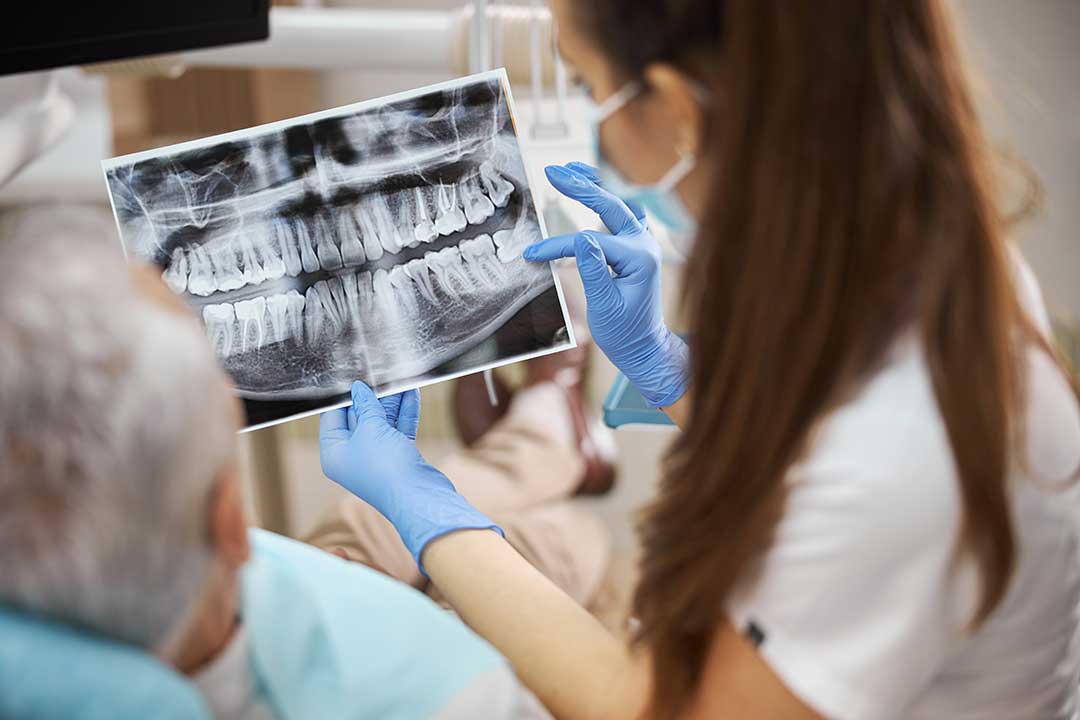
Residents of Huntsville may also notice seasonal effects that make mouth symptoms more noticeable. Hot weather, outdoor activity, mouth breathing during allergies, and inadequate fluid intake can contribute to dry mouth. Dryness reduces saliva’s protective role and may increase discomfort or the risk of decay, especially when combined with medications that cause dry mouth.
When should a broken, loose, or knocked-out tooth be examined?
A chipped or cracked tooth should be evaluated promptly if it causes pain, sensitivity, sharp edges, or difficulty chewing. A fracture can extend below the visible surface, and continued biting may worsen the damage.
A loose permanent tooth is not considered normal. It may be related to trauma, gum disease, infection, or loss of supporting bone. A knocked-out permanent tooth is time-sensitive; handle it by the crown rather than the root, avoid scrubbing it, and keep it moist while obtaining urgent dental guidance.
A broken filling, crown, denture, or orthodontic component also deserves earlier attention when it causes pain, cuts the cheek or tongue, affects eating, or leaves a tooth exposed. The sharp edge of a damaged restoration can repeatedly irritate nearby tissues.
Are mouth sores or unusual patches worth checking?
Many mouth sores are minor and heal on their own. A sore, lump, thickened area, red or white patch, or other change that lasts a week or longer should be examined, particularly if it repeatedly returns, bleeds, becomes painful, or does not have an obvious cause.
Irritation from a sharp tooth, broken filling, denture, or orthodontic appliance can produce a sore. Other causes include infections, inflammatory conditions, medication effects, and tobacco exposure. Persistent changes should not be diagnosed by appearance alone. ([mouthhealthy.org](https://www.mouthhealthy.org/top-reasons-to-visit-dentist?utm_source=openai))
What changes in eating or jaw movement matter?
Difficulty chewing, swallowing, opening the mouth, or moving the jaw normally is a reason to seek dental advice sooner. Jaw pain may be related to clenching, grinding, joint irritation, tooth problems, or inflammation.
Noticeable changes include:
- Pain when opening or closing the mouth
- A jaw that locks or catches
- New clicking combined with pain or limited movement
- A bite that suddenly feels uneven
- Food becoming difficult to chew on one side
- Dentures or partial dentures no longer fitting properly
A minor click without pain or movement problems may not require urgent care, but a painful or worsening change should not be ignored.
What should you do while waiting for evaluation?
Temporary measures can reduce discomfort, but they do not remove the cause. Rinse gently with warm water, keep the area clean, avoid chewing on the painful side, and use over-the-counter pain medication only as directed on the label and only if it is safe with existing health conditions and medications.
Do not place aspirin directly on the gum or tooth, attempt to drain swelling, or use leftover antibiotics. The American Dental Association notes that antibiotics are not appropriate for most tooth-related pain and localized conditions without systemic involvement; definitive dental treatment is often needed, while fever or general illness may indicate a broader infection requiring different management. ([ada.org](https://www.ada.org/resources/research/science/evidence-based-dental-research/antibiotics-for-dental-pain-and-swelling?utm_source=openai))
A practical rule for local households is simple: worsening pain, spreading swelling, unexplained bleeding, persistent sores, or loss of normal function should move a dental concern higher on the priority list. Breathing or swallowing difficulty, major facial swelling, uncontrolled bleeding, or serious facial trauma requires emergency medical attention rather than waiting for a routine visit.