

 See My Latest Article on HelloNation
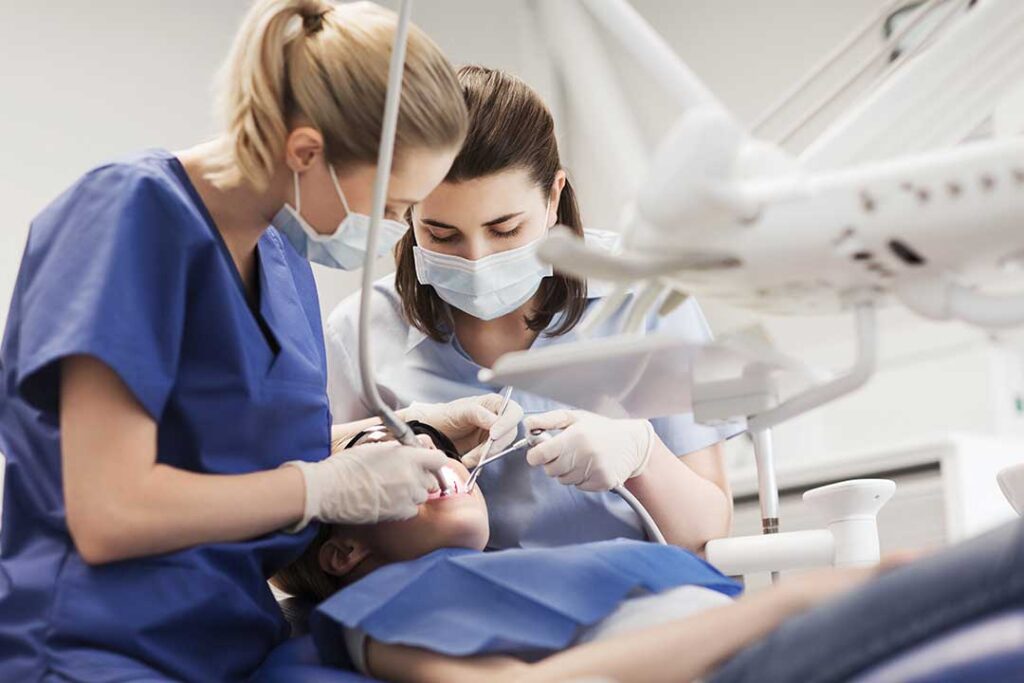
Children should have their first dental checkup by their first birthday or within six months after the first tooth appears, whichever comes first. This recommendation applies even when the child seems comfortable and the teeth look healthy. The first visit is mainly preventive: it helps identify early concerns, assess cavity risk, and give caregivers practical guidance for protecting baby teeth. ([cdc.gov](https://cdc.gov/oral-health/prevention/oral-health-tips-for-children.html?utm_source=openai))
Why should a child see a dentist so early?
Baby teeth begin developing before birth and can be affected soon after they emerge. Tooth decay can develop in infants and toddlers, especially when teeth are frequently exposed to sugary drinks, sweetened foods, or milk or juice during sleep.
An early dental visit gives families a chance to address risk factors before they become painful or require extensive treatment. The visit may also help identify:
- Early signs of tooth decay or weak enamel
- Problems with tooth eruption or development
- Oral habits that may affect growth, such as thumb sucking or pacifier use
- Feeding, swallowing, or mouth-breathing concerns
- Injuries or changes in the gums, tongue, or other oral tissues
The American Academy of Pediatric Dentistry, American Dental Association, American Academy of Pediatrics, and American Public Health Association support establishing a dental home no later than 12 months of age. A dental home means an ongoing source of preventive and restorative oral health care rather than waiting until a problem becomes urgent. ([ada.org](https://www.ada.org/-/media/project/ada-organization/ada/ada-org/files/resources/research/dqa/dental-quality-measures/2026/2026_early_childhood_oral_eval_following_medical_preventive_visit_final.pdf?hash=1FC84CEED380BC261658E5E0EF34F7BD&rev=f70b96252c374a63bfbf2fa400264344&utm_source=openai))
What happens during the first checkup?
For an infant or young toddler, the first appointment is usually brief and gentle. A complete cleaning or complex treatment is not usually the focus unless a problem is found.
The dentist may:
- Examine the teeth, gums, jaw, and surrounding tissues
- Count erupted teeth and assess how they are developing
- Look for early cavities, enamel changes, or signs of infection
- Review feeding and snack habits
- Discuss brushing, fluoride, pacifiers, thumb sucking, and injury prevention
- Estimate the child’s risk for developing cavities
- Recommend fluoride varnish or other preventive care when appropriate
A very young child may be examined while sitting on a caregiver’s lap. The purpose is to make the visit familiar and comfortable while giving the family useful information.
Parents should bring a list of medications, relevant medical conditions, allergy information, and questions about feeding or oral habits. If a child has had a fall or mouth injury, that information should be mentioned even if no tooth appears loose.
Does a child need a dental visit if there are only a few teeth?
Yes. The number of teeth does not determine whether a checkup is useful. The first tooth can develop decay, and the surrounding gums and oral tissues can still be evaluated.
The visit also helps caregivers learn how to clean the mouth properly. Before teeth erupt, wiping the gums with a clean, damp cloth can help remove residue. Once teeth appear, brushing should begin twice daily with a soft, small-bristled toothbrush. The CDC advises discussing fluoride toothpaste use with a dentist or physician for children younger than 2, while national guidance commonly recommends a rice-grain-sized smear for children younger than 3 and a pea-sized amount for children ages 3 to 6. An adult should supervise brushing and help the child spit rather than swallow toothpaste. ([cdc.gov](https://cdc.gov/oral-health/prevention/oral-health-tips-for-children.html?utm_source=openai))
What if the first visit has been delayed?
A delayed first visit does not mean a child has missed the opportunity for prevention. Families should arrange a checkup as soon as reasonably possible, particularly if the child is older than 1 and has never had an oral examination.
The need for an earlier evaluation is greater when a child has:
- White, brown, or dark spots on the teeth
- Tooth sensitivity or apparent pain
- Swollen or bleeding gums
- Difficulty chewing
- Persistent bad breath
- A chipped, loosened, or displaced tooth
- A history of frequent bottles, sippy cups, juice, or sweetened drinks
- Medical or developmental conditions that affect eating, swallowing, or self-care

Pain, facial swelling, fever associated with a tooth, or difficulty breathing or swallowing requires prompt medical attention. Dental infections can interfere with eating, sleeping, speaking, and normal daily activities when they are not treated. ([cdc.gov](https://cdc.gov/oral-health/prevention/oral-health-tips-for-children.html?utm_source=openai))
How can families prepare children for the appointment?
Preparation should be simple and positive. Young children often respond better to calm explanations than to detailed descriptions of dental instruments or procedures.
Caregivers can:
- Use straightforward words such as “the dentist will look at your teeth”
- Read a children’s book about a dental visit
- Avoid describing the visit as painful or frightening
- Bring a familiar comfort item if permitted
- Choose a time when the child is usually rested
- Share the child’s medical and dental history in advance
Avoid promising that “nothing will hurt,” because an examination or future treatment may feel unfamiliar. A better approach is to explain that the dental team will tell the child what is happening and help keep the mouth healthy.
How often should children return?
After the first examination, the appropriate interval depends on the child’s cavity risk, age, oral development, and preventive needs. Many children are seen about every six months, but some may need more frequent monitoring, while others may have a different schedule.
The follow-up plan may change as children begin eating more solid foods, develop independent brushing habits, start school, or receive new teeth. Baby teeth remain important because they support chewing and speech and help preserve space for permanent teeth.
Families in Huntsville may also need to consider changes in routine during hot summers, school breaks, travel, and outdoor activities. Frequent sipping of sweetened beverages during warm weather can increase the amount of time teeth are exposed to sugar. Water between meals is generally less harmful to teeth than juice, soft drinks, sports drinks, or sweetened flavored beverages.
What should parents remember about baby teeth?
Baby teeth are not disposable teeth. Although they eventually fall out, decay in these teeth can cause pain, infection, difficulty eating, and problems with sleep. Untreated disease can also affect a child’s comfort and ability to participate in school or daily activities.
The most useful starting point is straightforward: arrange the first dental checkup by age 1, begin cleaning the mouth early, limit frequent sugar exposure, and continue helping with brushing until the child has the coordination and judgment to do it effectively. Early preventive care is intended to make future dental care simpler, more comfortable, and less urgent.